
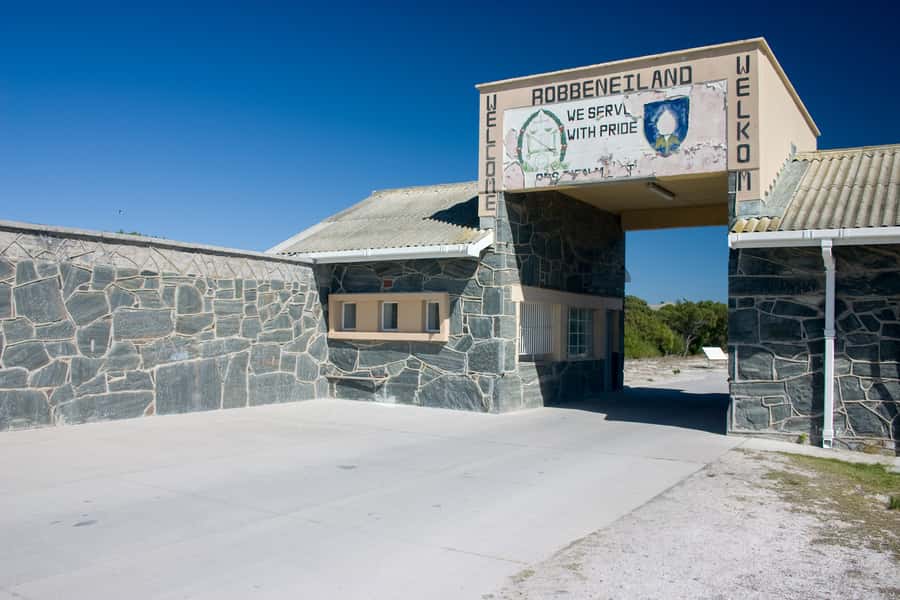
REVIEW · LANDMARK ISLAND FERRY TICKETS
Cape Town: Robben Island Ferry Ticket and Townships Tour
Cape Town’s past becomes personal on this two-part day: first in Langa and other townships, then inside the cell blocks of Robben Island. You see how apartheid divided communities, and you hear firsthand accounts from guides who grew up in Langa or were imprisoned on the island.
I like the mix of places and voices. District Six explains forced removals, while a walk through Langa shows how those policies still shape daily life. I also like the rare chance to meet a traditional healer, see homemade beer being made, and enter a local school. The main drawback is the price: at $89, it costs much more than a Robben Island ticket alone, and the island portion can feel rushed.
Key points at a glance
- District Six sets the historical frame: Learn how about 60,000 people were removed during the 1970s.
- Langa offers the most personal part of the day: A local guide may take you through hostels, shacks, homes, a school, and community spaces.
- Bonteheuwel and Gugulethu add difficult context: See how apartheid classifications divided Cape Town’s communities.
- Firsthand guides make Robben Island powerful: The prison visit may be led by a former political prisoner.
- The ferry depends on weather and availability: A canceled crossing can mean rescheduling or a partial refund.
- Bring comfortable shoes and a warm layer: You will walk in the townships, and Robben Island can be windy.
Why this day tells Cape Town’s story so well
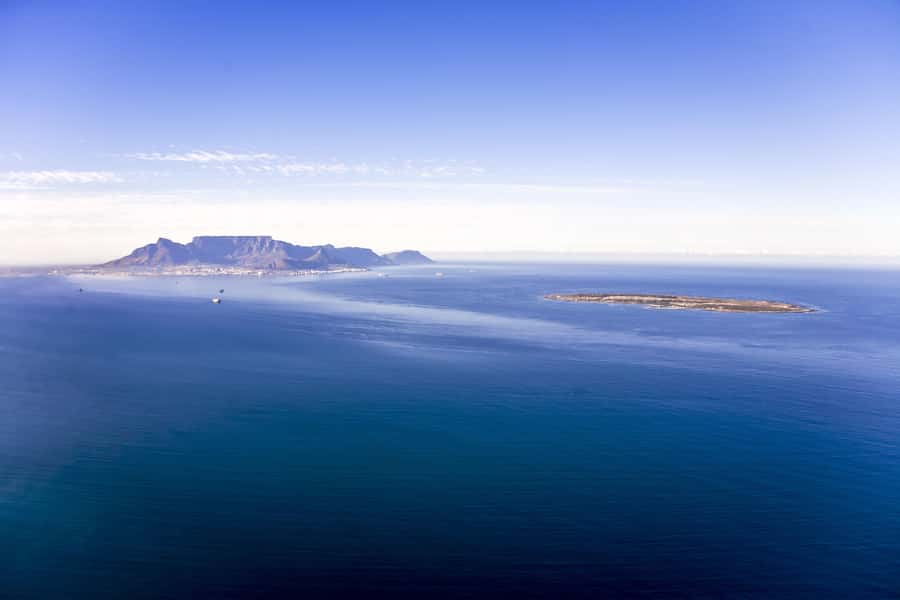
Many Cape Town tours focus on Table Mountain, beaches, wine, and pretty streets. Those are worthwhile, but they leave out the city’s hardest story. This tour begins with the people and places shaped by apartheid, then carries that story across the water to the prison where Nelson Mandela was held.
That order matters. Robben Island can feel like a powerful but isolated historic site if you visit it without context. After seeing District Six and Langa, you understand more clearly why the prison mattered, who resisted the system, and what kind of society the prisoners were fighting to change.
I would not call this a light sightseeing day. You may leave feeling unsettled rather than relaxed. That is part of its value. The tour asks you to look beyond Cape Town’s polished visitor zones and pay attention to the unequal city that exists alongside them.
The experience is conducted in English. Your driver and guide collect you from your hotel in an air-conditioned minivan. From there, the day unfolds through several Cape Town communities before ending at the Robben Island ferry gateway at the V&A Waterfront.
More landmark island ferries in the world:
- New York City: Statue of Liberty & Ellis Island with Ferry
★ 4.6 · 18,683 reviews - San Francisco: Alcatraz Ticket, Ferry, & Self-Guided App
★ 4.5 · 2,460 reviews - Statue of Liberty and Ellis Island Guided Tour with Ferry
★ 4.5 · 2,189 reviews
District Six: begin with forced removals
The opening drive through District Six gives you the basic facts before the walking tour begins. During the 1970s, the apartheid government forcibly removed about 60,000 residents from the area. Families were pushed out because of racial classification, and the community that had grown there was broken apart.
You will usually see District Six from the vehicle rather than spend a long period walking through it. That makes the guide’s explanation especially important. This is where you should ask questions about the Group Areas policy, the meaning of the racial categories used by apartheid, and how removals affected families long after the bulldozers left.
The stop works best as a starting point, not a complete visit to District Six. If you want a museum-focused treatment of the area, you may prefer to add the District Six Museum separately. This tour gives you the wider story and connects it to the townships you visit later.
I like this early section because it prevents the township visit from becoming a simple look at poor housing. You first learn that these communities were not accidental or natural divisions. They were shaped by law, forced movement, and deliberate separation.
Langa, where the tour becomes personal
Langa is the heart of the township portion. It is Cape Town’s oldest township, and you leave the minivan for a walking tour with a local guide. Guides such as Gladstone, Shake, or other members of Sam’s team may lead this section. Several guides have personal ties to Langa, which changes the tone from a standard sightseeing stop to a conversation about home.
You may visit the Old Pass Office and the monument to Robert Sobukwe. These places help explain how apartheid controlled movement and how political opposition was treated. Your guide can also describe the old hostel system, where men were separated from their families, and the different kinds of housing found in the township.
The walking route can include hostels, shacks, a home, and local streets. You should expect uneven ground and a moderate amount of walking, so comfortable shoes are more useful than smart ones. The tour is not designed as a private visit to every part of Langa, and the precise stops can vary with the day and local arrangements.
This is also the moment to think about the ethics of township tourism. It is reasonable to feel uneasy about entering a community as a visitor. The difference here is that the tour is guided by local people, includes opportunities to support local businesses, and focuses on history and present-day life rather than treating residents as scenery.
Your guide will set the boundaries. Listen carefully when asked not to photograph someone or when the group is told where to walk. The experience works best when you stay curious, respectful, and willing to hear difficult answers.
A school, a shebeen, and homemade beer
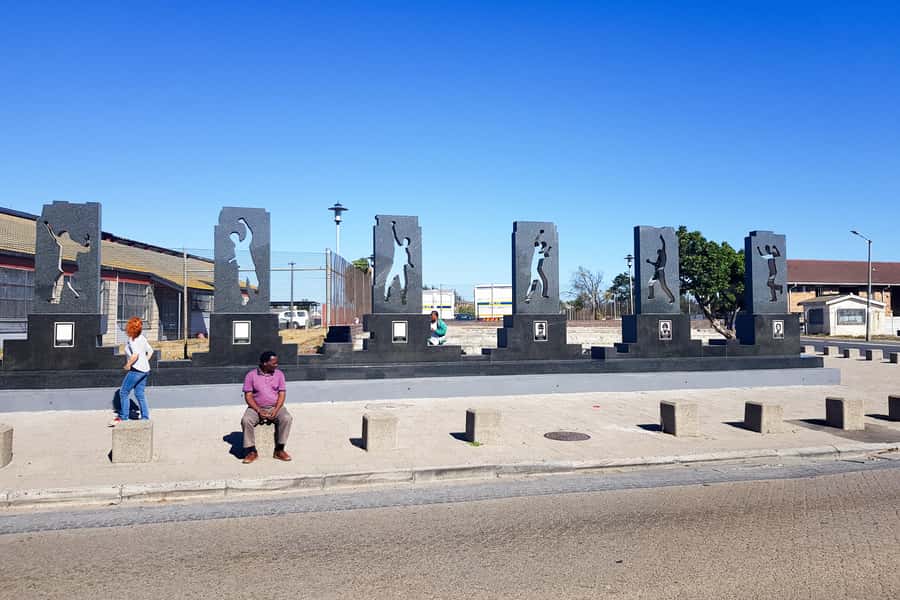
The township walk includes stops that show ordinary community life, not only apartheid-era suffering. You may visit a primary school or kindergarten, depending on the day and local schedule. Some groups have encountered children singing, while Sunday visits may replace the school stop with a local church service.
That variation is useful to understand before you book. The tour is not a museum with fixed opening hours at every stop. It is shaped by the day, the local guide, and what is happening in the community. A Sunday visit can feel different from a weekday visit, and a school may not be available every time.
You may also visit a shebeen, a local pub, and see homemade beer being made. You can try the beer if you wish. This is not a polished tasting session. It is a small window into local customs and business, and it gives you a chance to speak with people outside the usual sightseeing circuit.
Another stop may be a traditional healer’s practice, described in the itinerary as seeing the healer in action. This offers a look at an important part of local culture, but you should approach it with the same respect you would bring to a religious or medical setting anywhere else. You are there to learn, not to turn someone’s work into a spectacle.
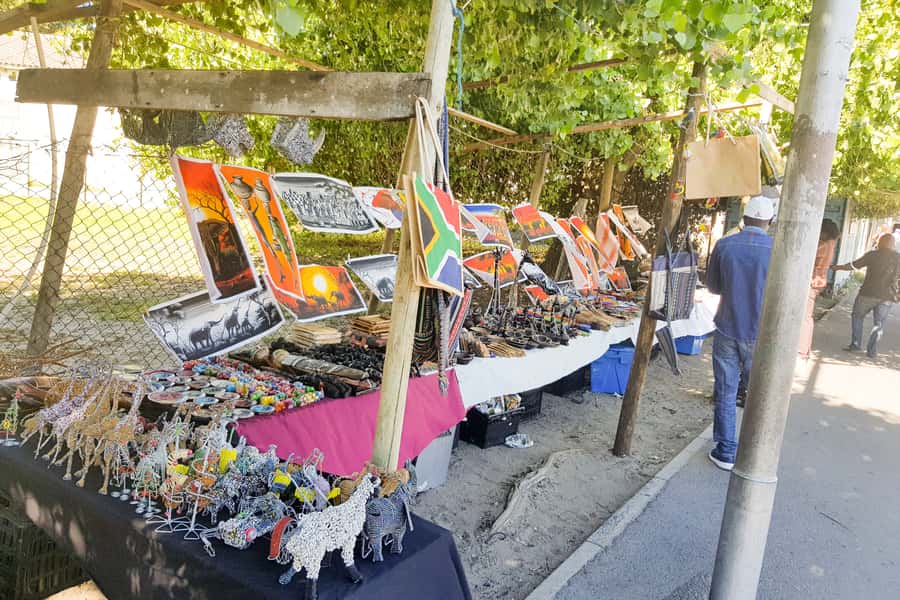
The tour may also include a market or souvenir shop. Prices can be higher than you expect, so check before buying. Still, purchases give you a direct way to support local businesses. I would rather spend a little money here than rush through without engaging with the community at all.
More Island Ferry Trips in the world:
- Cape Town: Robben Island Ferry Ticket and Guided Prison Tour
★ 4.1 · 1,792 reviews - Cape Town: Robben Island Ferry Tour with 1-Way Hotel Pickup
★ 4.2 · 1,380 reviews - From Perth or Fremantle: Rottnest Island Ferry and Bus Tour
★ 4.6 · 1,246 reviews - From Fremantle: Rottnest Island Ferry and Bike Day Tour
★ 4.6 · 805 reviews
Bonteheuwel and Gugulethu: apartheid’s divisions continue

After Langa, the minivan drives through Bonteheuwel. Under apartheid, it was reserved for the community classified as colored. You do not get the same walking experience here, but the drive lets the guide explain how racial planning divided Cape Town into separate areas.
This part can feel less dramatic than Langa because you remain in the vehicle. Do not dismiss it. Bonteheuwel helps show that apartheid did not create only one kind of township. It used different classifications and different areas to control where people could live, work, and travel.
The guide will also discuss how those divisions continue to affect communities today. The point is not to suggest that every part of Cape Town has remained unchanged. Rather, you begin to see why legal equality did not instantly erase economic gaps, housing problems, or unequal access to opportunity.
In Gugulethu, the tour stops at the Gugulethu 7 Memorial. The memorial honors members of an anti-apartheid group killed by South African police in 1986. You also see the memorial to Amy Biehl, an American student murdered by PAC supporters in 1993.
These two sites require care because they do not fit a simple story of good people on one side and bad people on the other. They show the violence and confusion of the final apartheid years, political conflict, and the painful choices made by people living under a brutal system. A good guide gives you space to consider that complexity without turning the visit into a lecture.
The V&A Waterfront and the ferry to Robben Island
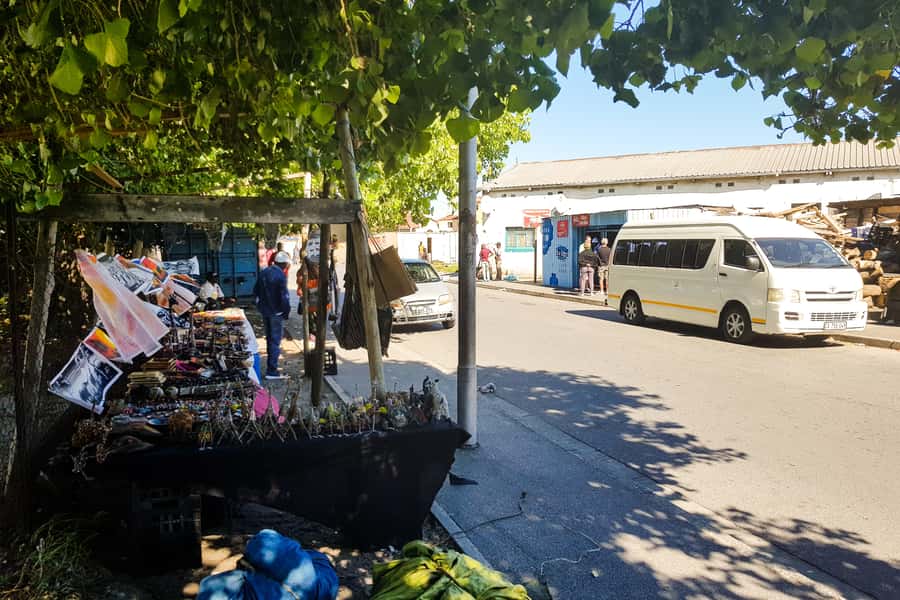
After the township tour, you are dropped at the V&A Waterfront for the ferry. The tour includes your Robben Island ferry ticket, but the island visit is operated as a separate large-group experience. You should allow time to find the ferry gateway and keep your passport or ID card with you. A copy is accepted according to the tour information.
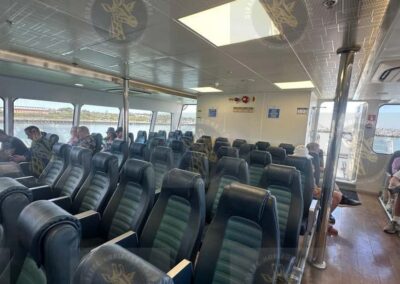
The ferry crossing takes about 30 minutes, though weather can affect the schedule. The water can be rough, and Robben Island is often windy, so bring an extra layer even if Cape Town feels warm when you leave the hotel.
A canceled ferry is the biggest practical risk in this combined tour. If bad weather stops the boat after the township portion has taken place, you may be offered a new date based on availability or a partial refund. This has worked smoothly for some bookings, but a rescheduled crossing can disrupt other plans.
If Robben Island is the main reason you are booking, avoid placing an important evening commitment too close to the planned return. The island schedule is outside the driver’s control, and the ferry company may move you to a later departure.
Robben Island, from the bus to the prison cells

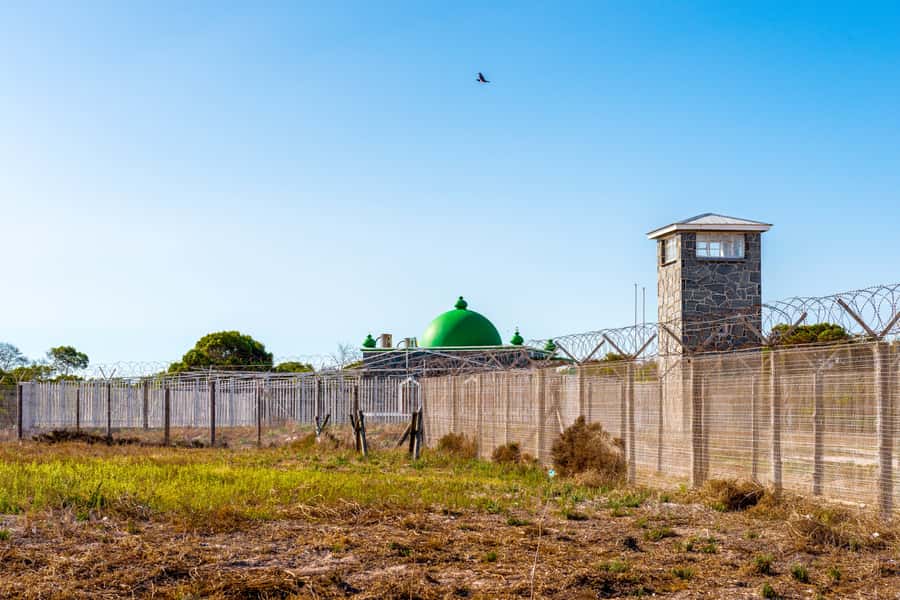
Once on Robben Island, you take a bus tour around the island and visit the maximum-security prison. The bus guide explains the island’s long history and its role during apartheid. Some visitors have found it difficult to hear or follow the commentary, especially when the bus is full or when more than one language is being used.
The prison section is usually the strongest part. A former political prisoner may lead the walking tour, giving the place a personal force that a standard museum guide cannot match. Hearing about prison life from someone who experienced it makes the cells, corridors, and restrictions feel immediate.
The tradeoff is time. The prison tour can feel regimented and rushed, with limited opportunity to stop at every exhibit or absorb each room. A large group also means you may be standing toward the back, trying to hear the guide while people move through the same spaces.
I would still consider the visit essential for anyone interested in South African history. Just set your expectations correctly. This is not a quiet, self-guided museum afternoon. It is a scheduled group visit built around a ferry timetable, bus route, and prison presentation.
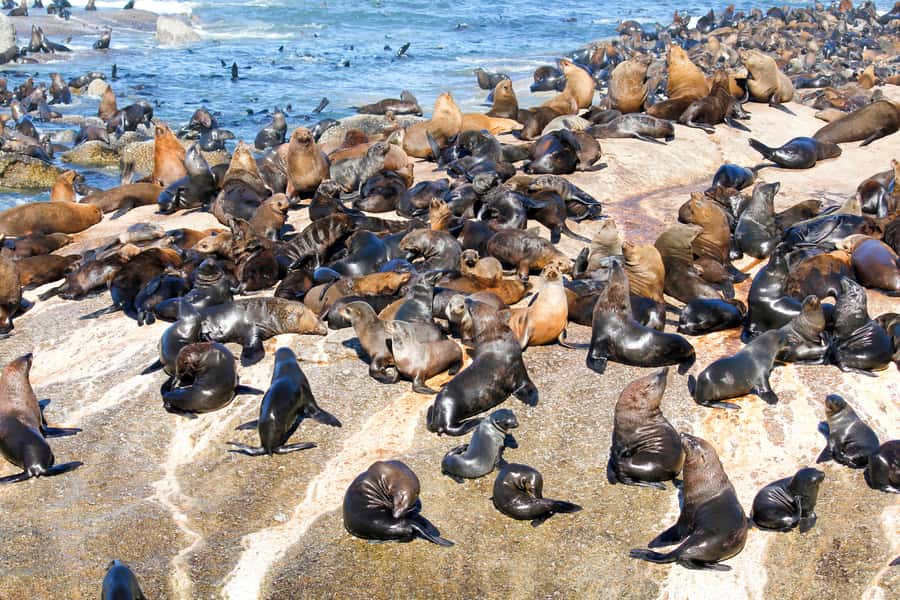
You may also see wildlife or whales from the ferry, but that is luck, not part of the promised experience. Keep your focus on the island’s history rather than expecting a scenic boat trip.
What the $89 price really buys you
At $89 per person, this tour is not the cheapest way to reach Robben Island. A separate ferry ticket costs much less, and if you only want Mandela’s prison, booking directly may offer better value.
The price becomes easier to justify if you want both parts of the day and would rather have transport, a driver, and a local township guide arranged together. You receive hotel pickup, private transportation in an air-conditioned minivan, the township experience, and the ferry ticket. You do not receive hotel drop-off, so you must make your own way back from the Waterfront or central Cape Town.
The strongest value comes from the township portion. A simple drive past Langa would teach you very little. Here, you may walk with a guide who grew up there, enter community spaces, meet local people, and ask questions about daily life. That access is the reason to choose this package instead of buying a ferry ticket alone.
Still, the value depends on your priorities. If you dislike organized group visits, want long quiet periods at historic sites, or have already arranged a township tour, the package may feel expensive. If you have only one day and want a broad introduction to apartheid’s past and present, it is more practical.
Safety, comfort, and respectful conduct

The guides take safety seriously, and solo visitors have been able to join the tour comfortably. Some people feel nervous before walking through a township, especially if they have never visited one. The best response is to follow your guide’s instructions and avoid wandering away from the group.
The vehicle is air-conditioned, which helps during the drives between districts. The amount of walking is moderate, but the route may include uneven surfaces. Wear shoes you can walk in for around two hours and carry water.
Do not assume that every community stop will look or operate the same way. A school, church, home, healer, or beer-making visit depends on local access and timing. That is part of the tour’s human quality, but it also means you should accept some uncertainty.
The most respectful approach is to ask before taking photographs, buy from local sellers only if you genuinely want something, and listen to the guide’s explanation instead of making quick judgments about housing or poverty. You are not entering a theme park. You are visiting working communities with their own history and dignity.
Who should book this experience?
I would recommend it to first-time visitors who want to understand Cape Town beyond its postcard attractions. It suits history-minded people, solo visitors who want organized transport, and anyone who wants a local guide to explain how apartheid still affects the city.
It is also a good choice if you want Robben Island but have trouble securing a ferry ticket on your own. The combined booking saves planning time, though it does not remove the risk of bad weather or schedule changes.
Families with older children may find it meaningful, but the subject matter is serious and the walking portion requires attention. Young children may not get much from the political history. People with limited mobility should ask for details before booking because moderate walking is involved and the activity includes township streets and ferry facilities.
I would hesitate only if your schedule is tight, your main goal is an unhurried Robben Island visit, or you are uncomfortable with community-based tourism. In those cases, a standalone island visit may be a better fit.
Should you book it?
Book this tour if you want the full story: forced removals in District Six, life and resistance in Langa, apartheid’s racial planning in Bonteheuwel, memorials in Gugulethu, and political imprisonment on Robben Island.
The township walk is the reason to choose this package, while the former-prisoner guide is the highlight of the island visit. Go prepared for a long, serious day, a large group on Robben Island, possible schedule changes, and a visit that may change your mood as much as your understanding.
If that sounds worthwhile, $89 is a fair price for the amount of transport, interpretation, and access included. If you only want to tick Robben Island off your list, buy the ferry separately and save the difference.
FAQ
Is hotel pickup included?
Yes. The tour includes pickup from your hotel in a private, air-conditioned minivan.
Is hotel drop-off included?
No. The tour ends at the Robben Island ferry gateway at the V&A Waterfront, and you make your own way back to your hotel.
Which townships are visited?
The tour includes District Six, Langa, Bonteheuwel, and Gugulethu. District Six and Bonteheuwel are mainly covered by drive and commentary, while Langa includes a walking tour.
What can I see in Langa?
The walking tour may include hostels, shacks, a primary school or kindergarten, a shebeen, homemade beer production, a traditional healer, local homes, and community businesses. Exact stops can vary.
Is the Robben Island ferry ticket included?
Yes. The ferry ticket is included, subject to availability and weather conditions.
What happens if the ferry is canceled?
If the ferry is canceled after the township tour, you may be offered a rescheduled visit based on availability or a partial refund.
What should I bring?
Bring a passport or ID card, or a copy, as well as comfortable walking shoes and a warm layer for the ferry and windy conditions on Robben Island.
More Ferry Tickets in the world
- Corralejo: Return Ferry Ticket to Lobos Island Fuerteventura
★ 4.7 · 3,098 reviews - From Naples: Capri Guided Tour with Ferry Tickets & Minibus
★ 4.5 · 2,366 reviews - From Helsinki: Return Day Trip Ferry Ticket to Tallinn
★ 4.8 · 2,238 reviews - From Ibiza: Same-Day 2-Way Ferry Ticket to Formentera
★ 4.0 · 1,588 reviews
New ferry trips in the world
- Boston: Historic Pubs Walking & Ferry, Food & Drink Tour★ 4.9 · 56 reviews
- Boston Harbor Islands Ferry★ 4.2 · 17 reviews
- Canary Islands: Gran Canaria to Tenerife Ferry Ticket★ 4.5 · 27 reviews
- Quiberon: Ferry Ticket from/to Belle-Île-en-Mer, Sauzon★ 4.5 · 2 reviews
- Bangkok: Morning Bike Tour with Ferry Boat Ride★ 4.6 · 2 reviews
- Quiberon: Ferry tickets from/to Belle-Île-en-Mer, Le Palais★ 3.7 · 33 reviews
- From Sorrento: Amalfi Coast Guided Bus Tour and Ferry Ride★ 3.6 · 6 reviews
- Alicante/Torrevieja: Excursion to Tabarca by ferry, Santa Pola, and Laguna Rosa★ 4.5 · 86 reviews
Landmark Island Ferry Tickets, compared.



Statue of Liberty and Ellis Island Guided Tour with Ferry
Read our review →
Robben Island Ferry Ticket and Guided Prison Tour
Read our review →
Robben Island Ferry Tour with 1-Way Hotel Pickup
Read our review →
Robben Island Ferry with Prison Ticket and Tour
Read our review →
Lists this crossing appears in