
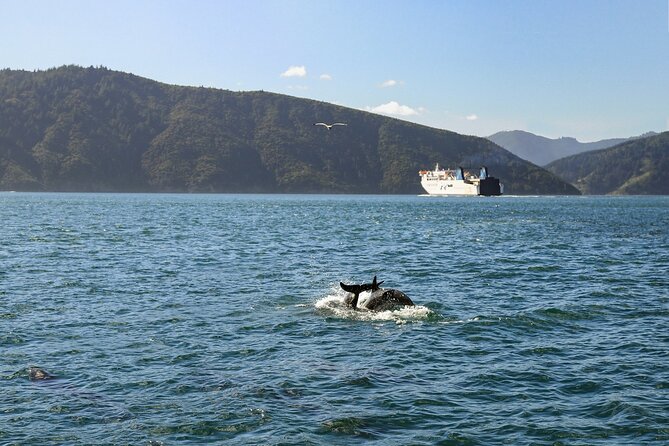
REVIEW · NEW ZEALAND FERRY TRIPS
InterIslander Ferry – Picton to Wellington
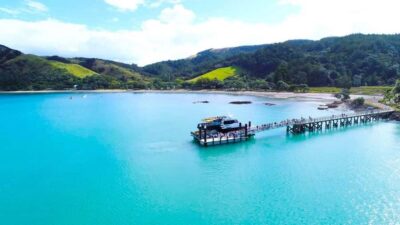
The best part of the InterIslander crossing is the opening stretch through Queen Charlotte Sound. Forested hills rise from calm water as the ferry leaves Picton, giving you a fine New Zealand send-off before the route reaches the more open Cook Strait. The ship then brings you into Wellington Harbour, with the capital’s hills coming into view near the end.
I like this trip for two clear reasons: you get generous baggage allowance, and you can move around instead of being fixed in an airplane seat. I also like having the choice of traveling on foot or taking a vehicle, which makes the ferry useful for a longer New Zealand road trip.
The main caution is timing. You need to check the sailing carefully, arrive well before departure, and allow for changes or delays. This is a working transport service first, not a sightseeing cruise, and much of the middle section can be open water with rough weather.
Key points to know before booking

- The scenic portion comes first: The finest views are usually during the departure from Picton and the passage through Queen Charlotte Sound.
- Two bags are included: Each person can check two items, with each piece limited to 23 kilograms.
- A car needs the right ticket: A passenger booking does not automatically include a vehicle, so confirm your vehicle reservation before heading to the terminal.
- You have room to move: Indoor seating, cafés, lounges, viewing decks, and on some ships a movie theater help break up the 3.5-hour ride.
- Weather shapes the experience: Calm sunshine can make this a beautiful crossing, while wind, cloud, and rough seas may keep you inside.
- Premium Lounge is optional: It adds food, drinks, and more private seating, but children aged 17 and under cannot use it.
Leaving Picton through Queen Charlotte Sound
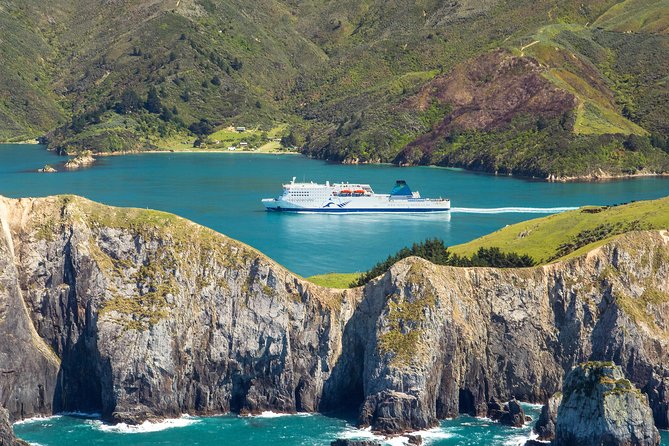
The ferry terminal is on Auckland Street in Picton, a short walk from the Picton train station according to the practical details provided for the service. That makes the crossing a useful link if you arrive by train, though you should not cut the connection close. Check-in is required well before sailing, and one booking error described a ticket showing a different departure time from the actual sailing.
I would aim to arrive at least 60 minutes early, and earlier if you have a car or large bags. Vehicle boarding and baggage handling add steps to the process. If you are walking on, you may still have a wait in the departure area before boarding begins.
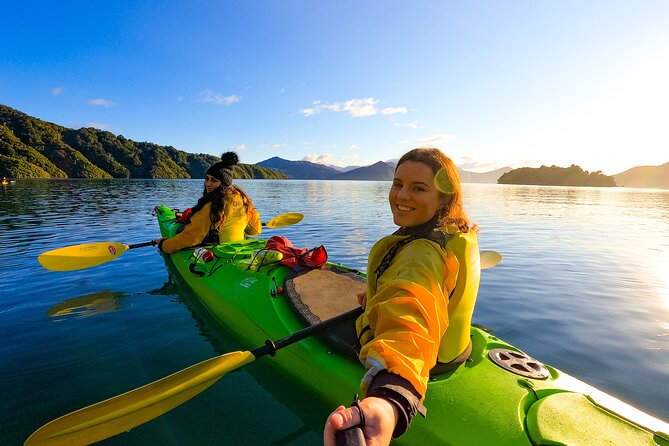
Once aboard, head outside early if the weather is decent. Picton, the Marlborough Sounds, and the first folds of Queen Charlotte Sound provide the most rewarding views of the trip. The water here is often calmer than the open strait, and the forested shorelines make the departure feel like part of the journey rather than a simple transfer.
Do not expect a narrated sightseeing trip with a guide pointing out every bay. You may want to ask for a map or route guide if this is your first crossing. The views are easy to appreciate, but a little orientation helps you understand where you are as the ferry works through the sounds.
The outdoor decks can be cold and windy even on a pleasant day. Take a jacket and keep your phone or camera secure. Several people had to retreat inside because of cold, wind, or overcast weather, so plan to enjoy the scenery in short stretches rather than assuming you will sit outside for the full crossing.
More ferry trips worth booking in the world:
- New York City: Statue of Liberty & Ellis Island with Ferry
★ 4.6 · 18,683 reviews - All Inclusive Blue Mountain,Scenic World,Lunch,Koalas,ferry
★ 5.0 · 7,832 reviews - Muir Woods and Sausalito (Return by Bus or Ferry)
★ 4.5 · 5,098 reviews
The 3.5-hour crossing across Cook Strait
After the sheltered water near Picton, the ferry reaches Cook Strait. This is the long middle section, and it is where the character of the trip changes. Instead of close shore views, you get open water, changing weather, and broad views toward both islands when conditions allow.
That distinction matters. The ferry is often promoted as scenic, and it is, but only part of the route feels like a classic sightseeing cruise. From Picton, you may have about 45 minutes of especially attractive scenery before the ship reaches more open water. The rest is best treated as comfortable transport with occasional views.
The InterIslander fleet includes the Kaitaki and Kaiārahi. Facilities can vary by vessel, and some services are limited on off-peak sailings. You will find cafés, a fast-food takeaway counter, a bar, lounge areas, an observation deck, and a children’s play area and nursery. A movie theater is available on selected ships.
Food and drinks are not included in the standard fare, but you can buy them aboard. The food selection is useful for a three-and-a-half-hour ride, and several comments praised the meals, drinks, and coffee. Lines for coffee can become long, so if you want a hot drink, do not wait until everyone else heads to the café.
Seating is spread through different parts of the ship. You can settle indoors, move to a quieter lounge, or step outside when the view improves. That flexibility is one of the ferry’s strengths. On a plane, a rough patch means staying buckled in. Here, you can find a different seat, walk around, eat, or watch the water from the deck when it is safe.
The crossing may be smooth, but the sea can change. Calm sunshine can produce excellent views and an easy ride. Wind and cloud can make the trip feel more like a practical transfer. If you are prone to seasickness, plan sensibly and choose an indoor seat when conditions look poor. The service itself cannot control Cook Strait weather.
Wi-Fi was not reliably available for one passenger, so I would download anything you want before boarding. Bring a book, headphones, or a simple plan for the ride. Families have the benefit of a play area, while adults can use the cafés and lounge spaces to pass the time.
Arriving through Wellington Harbour
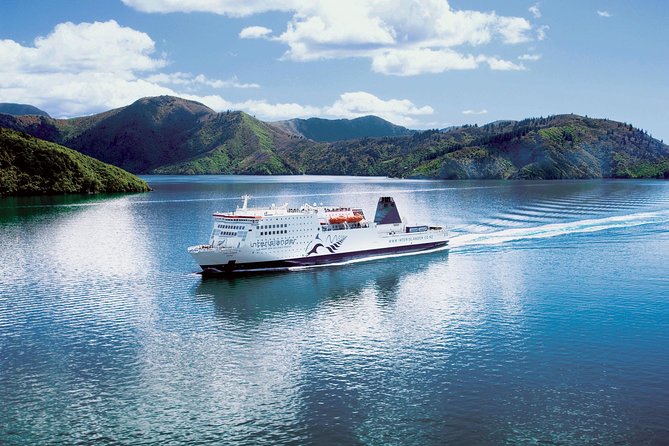
The final approach is another scenic section. As the ferry enters Wellington Harbour, the hills around the capital begin to appear, and the city comes into view from an angle you do not get from a plane or road. This is a good time to return to the viewing deck if the weather is comfortable.
The arrival point is Wellington Ferry Terminal at 1 Aotea Quay in Pipitea. From there, you can continue into Wellington for restaurants, shopping, theater, and Te Papa Tongarewa Museum. If you are traveling without a vehicle, a shuttle may be available on the Wellington side, though the supplied information does not promise it for every sailing.
Car passengers should allow time for disembarkation and the drive away from the terminal. One delayed sailing left a person searching for a rental car in the dark, which shows why a late arrival can affect more than the ferry crossing itself. If you have an evening plan, keep it flexible until you are safely ashore.
The Wellington approach is also a reminder that this is a working ferry route. Staff may be friendly and helpful, and the ship may be clean and comfortable, but boarding areas, ramps, stairs, and terminal walks can feel functional rather than polished. Anyone with limited mobility should ask staff for help and check the access arrangements before the day of travel.
Choosing a foot passenger or vehicle ticket

The ferry works well for both independent road trips and passengers traveling between cities by public transport. A foot passenger can carry two pieces of baggage, each no more than 23 kilograms, and use the ship’s public seating and facilities.
A vehicle ticket is a separate matter. Make sure your booking clearly includes the car before arriving at Picton. A passenger fare alone does not cover vehicle transport, and adding a car at the terminal can be expensive or may depend on space.
Bicycles, canoes, surfboards, and other large sporting equipment can cost extra. Additional bags are also subject to availability and an added charge. Larger backpacks and other big items must be checked at Picton and collected from the baggage carousels after arrival. No individual bag may exceed 23 kilograms or 200 linear centimeters, although the size rule is more flexible for sporting equipment.
If you are traveling with a dog, kennels can be bought at the terminal. The number of kennels is limited, and animals incur an extra charge. Service animals are allowed. Smoking is not permitted inside the ship except in designated areas.
Children aged 2 through 17 qualify for the child rate. Children aged 15 and younger must travel with an adult. Children aged 17 and under cannot use the Premium Lounge.
Same port, a different sailing:
- Blue Mountains Small-Group Tour from Sydney with Scenic World,Sydney Zoo & Ferry
★ 5.0 · 3,709 reviews - Fort Sumter Admission and Self-Guided Tour with Roundtrip Ferry
★ 4.5 · 3,343 reviews - Waiheke Island: Ferry & Hop-On Hop-Off Explorer Bus Tickets
★ 4.6 · 3,311 reviews - Corralejo: Return Ferry Ticket to Lobos Island Fuerteventura
★ 4.7 · 3,098 reviews
Is Premium Lounge worth the extra cost?
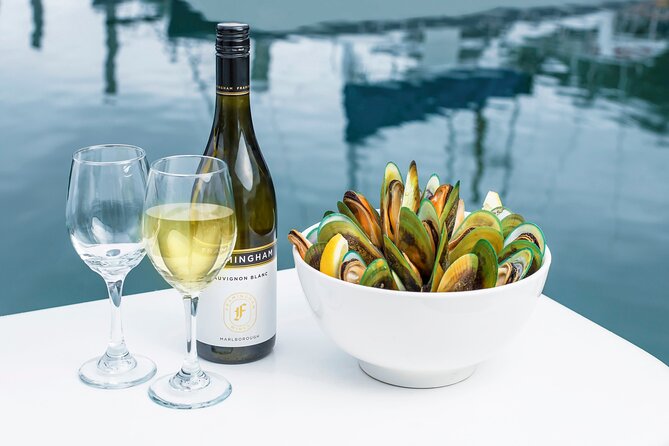
The standard fare gives you access to the main ship, seating areas, cafés, and viewing decks. For many people, that is enough. You can buy food as needed and move between indoor and outdoor areas during the crossing.
The Premium Lounge is aimed at passengers who want a quieter setting with food and drinks included. One especially positive experience described a comfortable crossing with meals and drinks available throughout the trip. That can make sense if you prefer not to queue at the main café or want a more settled place for the full voyage.
I would not book it automatically. The lounge has been described as small, and the seating may not feel especially luxurious for everyone. You also need to find it after boarding, and first-time passengers may want clearer directions. Children aged 17 and under are not permitted to use it, so families should check the rules before paying extra.
For a daytime sailing with good weather, I would usually favor the standard ticket and spend time on the deck. For a cold or wet crossing, or if included meals and drinks matter to you, Premium Lounge may offer better value.
Price, timing, and practical value

The listed price is $58.77 per person for a one-way crossing. That is a reasonable fare for a 3.5-hour island connection when you consider the included two-bag allowance, indoor seating, outdoor decks, and onboard food options. The value is strongest for foot passengers who would otherwise need to arrange a flight and separate baggage costs.
The calculation changes for drivers. Vehicle space costs extra, and sporting equipment, extra baggage, and pet kennels may also carry surcharges. Compare the complete vehicle fare rather than judging the passenger price alone.
The ferry can also save you from a short flight into Wellington that may be uncomfortable in poor weather. It gives you more space and a slower arrival, but it takes much longer and is still affected by wind and rough seas. For a tight schedule, a delayed sailing can create real problems.
The timetable can change without notice. Cancellations and long delays have occurred, including one reported delay of six hours. Check the sailing status before leaving for Picton and avoid booking a close connection, dinner reservation, or evening activity in Wellington.
Free cancellation is available up to 24 hours before the scheduled start time. Cancellations made inside that period are not refunded, and changes are not accepted less than 24 hours before departure. If poor weather cancels the experience, you are offered another date or a full refund.
Who will enjoy this ferry most?
I recommend the crossing to you if you want a practical link between New Zealand’s two main islands and have enough time to enjoy the ride. It suits road trippers, families, people with substantial luggage, and anyone who prefers a ship to a potentially rough flight.
It is also a good choice if you enjoy watching a place change gradually. Picton’s quiet sound gives way to Cook Strait, then Wellington Harbour and the capital’s surrounding hills. You do not get constant scenery, but the best sections are memorable.
I would be more cautious if you need a guaranteed arrival time, dislike open water, or are booking mainly for a nonstop sightseeing experience. The central part of the route can feel long, and bad weather may keep you indoors. The ferry is comfortable transport with fine scenic moments, not a three-hour cruise devoted to views.
Should you book the InterIslander from Picton to Wellington?
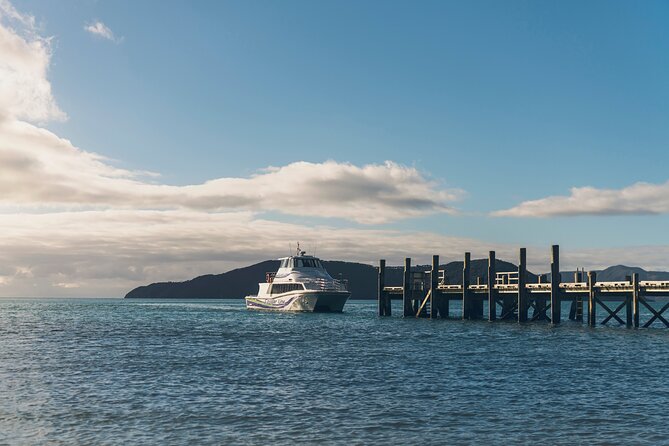
Yes, if you need to cross between the islands and can build some flexibility into your schedule. The opening passage through Queen Charlotte Sound and the approach to Wellington Harbour are worth seeing, while the generous luggage allowance and choice of vehicle or foot travel add real practical value.
Book it with the right expectations. Arrive early, confirm the departure time, check that your car is included if needed, and pack for cold wind on deck. If you treat the crossing as a comfortable transfer with two excellent scenic bookends, the InterIslander is a sensible and enjoyable way to move between Picton and Wellington.
FAQ
How long is the InterIslander ferry from Picton to Wellington?
The crossing takes approximately 3 hours and 30 minutes.
What is included in the standard ticket?
The fare includes a one-way InterIslander ferry trip, access to viewing decks, and two baggage items per person, with each item limited to 23 kilograms.
Can I bring a vehicle?
Yes, vehicle travel is available, but you must choose the correct vehicle ticket. A passenger booking does not necessarily include a car.
Where do I board in Picton?
You board at Picton Port on Auckland Street, Picton 7281, New Zealand.
Where does the ferry arrive in Wellington?
The ferry arrives at Wellington Ferry Terminal, 1 Aotea Quay, Pipitea, Wellington 6011.
Is food available on the ferry?
Yes. Cafés, a bar, and a fast-food takeaway counter are available, although food and drinks are not included in the standard fare. Some facilities may have limited opening hours on off-peak sailings.
Can I bring a bicycle or sporting equipment?
Yes, but bicycles and sporting equipment such as canoes or surfboards may require an additional fee. Extra items are subject to availability.
Are pets allowed on the ferry?
Traveling animals can use kennels purchased at the terminal, subject to availability and an extra charge. Service animals are allowed.
What happens if bad weather cancels the sailing?
If the experience is canceled because of poor weather, you will be offered a different date or a full refund.
New ferry trips in the world
- From Cádiz Bay: Tangier Day Trip with Ferry & Local Guide★ 4.1 · 12 reviews
- From Portsmouth: Isle of Wight Day Tour by Bus and Ferry★ 4.4 · 36 reviews
- Orkney Day Trip: Meets the Scrabster – Stromness Ferry★ 4.9 · 15 reviews
- London to Dublin by Ferry and Rail★ 4.0 · 15 reviews
- Private Tangier Tour from Ferry or Cruise Ship Including Lunch★ 5.0 · 34 reviews
- Tangier Private Full Day Tour Including Ferry Ticket & Camel Ride★ 5.0 · 58 reviews
- Cat Cocos: Mahe to La Digue Island Fast Ferry★ 3.0 · 38 reviews
- Cat Rose: Praslin Island / La Digue Island Fast Ferry★ 4.0 · 41 reviews
New Zealand Ferry Trips, compared.

Waiheke Island: Ferry & Hop-On Hop-Off Explorer Bus Tickets
Read our review →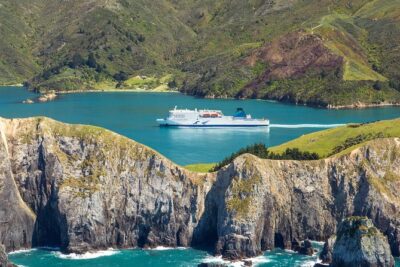

Lists this crossing appears in